Every product has early users. The question is whether they’re chosen intentionally or show up by default.
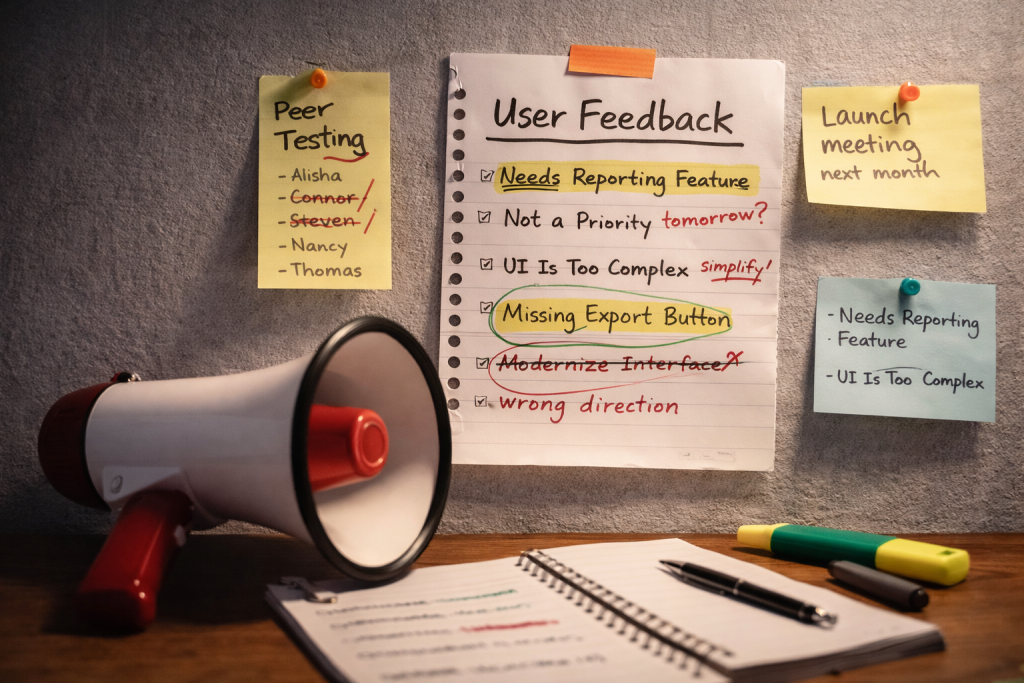
Too often, early access is treated like a reward. The loudest voices get in first. Feedback comes quickly. Expectations get set before the product has found its footing.
That rarely leads to better software.
Early Users Shape the System
The first people to use a tool don’t just report bugs. They influence priorities, workflows, and even the language used to describe the product.
That influence is powerful, and it’s easy to underestimate.
When early feedback is driven by volume instead of thoughtfulness, teams end up reacting instead of learning. Features get added before fundamentals are solid. Workarounds pile up before root problems are understood.
Quiet Feedback Is Often Better Feedback
The most useful early users tend to be the ones who move slowly. They explore edges. They notice where systems break under real use, not just ideal scenarios.
They ask questions instead of making demands.
That kind of feedback takes longer to surface, but it’s far more valuable. It reveals structural issues, not just missing options.
Patience at the Beginning Pays Off Later
For teams building complex systems, especially ones that sit in the middle of how work flows, a slow and intentional start isn’t hesitation. It’s risk management.
Being selective early makes it easier to scale later. It creates space to get the fundamentals right before expectations harden.
Before opening anything up broadly, it’s worth asking not just how many users you want, but which ones.
The quality of those first conversations often determines how the product grows from there.