
Right now, most AI conversations are obsessed with one thing: the model.
Which model should we use? Which one is faster? Smarter? Cheaper? More open? More capable?
Those are fair questions. They are just not the most important ones.
A model matters, but a model by itself is not the system.
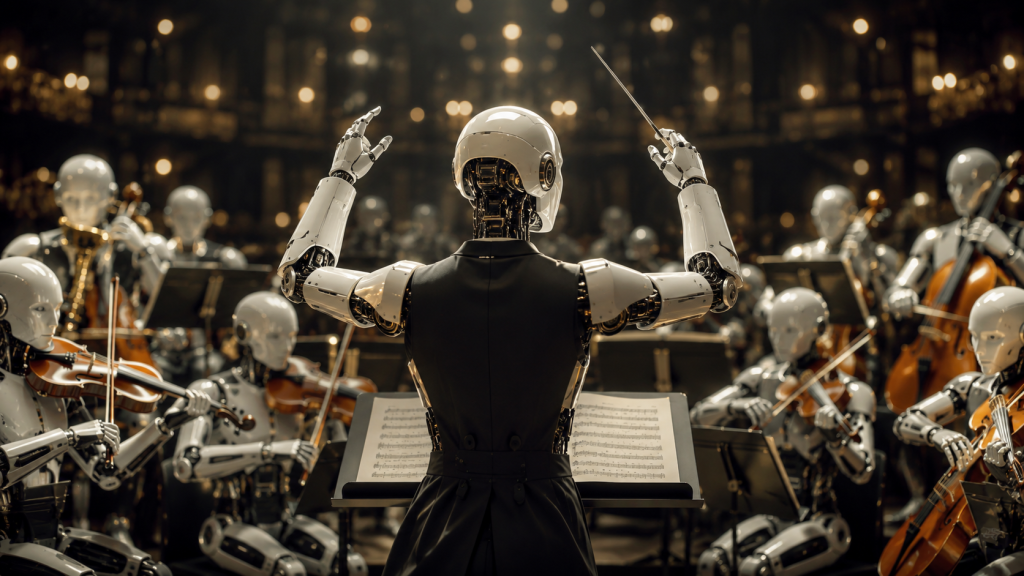
If the model is the instrument, the system is the orchestra. And in business, the magic rarely comes from one perfect violin. It comes from getting the whole room to play in tune.
That is where many teams still miss the mark.
The biggest gains do not usually come from plugging in the latest model and hoping for transformation. They come from designing a smarter system around it. Data. Retrieval. workflow. Business rules. Human review. Latency. Cost. Feedback loops. Trust. When those parts work together, the result is far more useful than any one component standing alone.
The sum really can be greater than its parts.
I have seen that pattern over and over through my career.
Whether it was real-time ticketing exchanges, logistics optimization, data-driven negotiation platforms, machine learning workflows, or broader software systems, the real leap usually did not come from one shiny piece of technology. It came from building the right structure around the technology so it could actually deliver value in the real world.
That matters now more than ever.
Too many companies are treating model selection like strategy. It is not. It is a design choice inside a much bigger picture.
The bigger questions are the ones that actually shape outcomes.
What data should be used, and when?
What needs real-time context, and what does not?
Where should logic be deterministic?
Where should reasoning be probabilistic?
When should a human stay in the loop?
How do you control cost without strangling value?
How do you make the system reliable enough for the business process it supports?
How do you build feedback so the system gets better over time?
Those are the questions that separate a clever demo from a durable advantage.
A well-designed system knows when not to use the biggest or most expensive model. It knows when simple rules beat complex reasoning. It knows when retrieval is better than training. It knows when speed matters more than elegance, and when consistency matters more than flair.
In other words, it knows how to fit intelligence to the job.
That is the real work.
The future does not belong to companies that simply bolt a model onto a workflow and call it innovation. It belongs to teams that can design systems where intelligence, software, economics, and human judgment work together cleanly.
That means building with discipline.
It means caring about trust.
It means watching cost.
It means designing for outcomes, not applause.
The best systems do not just think. They coordinate. They adapt. They stay grounded in the business problem they were built to solve.
That is where I continue to focus my energy.
Not just on the model, but on the harmony around it.